
 Written by
(TAKE THE QUIZ AT THE END TO SCORE DISCOUNTS.)
What do coffee, liberty, science, and the American Revolution all have in common?
In many ways, they all lead back to John Locke.
The English philosopher who lived from 1632 to 1704 helped create many of the ideas that shaped the modern world. His writings transformed how people think about human knowledge, individual rights, government, education, and religious freedom.
Long before democracy became common and long before cafés became centers of intellectual culture, Locke was asking some of humanity’s biggest questions:
Where do our ideas come from?
What gives governments their power?
Are people born with natural rights?
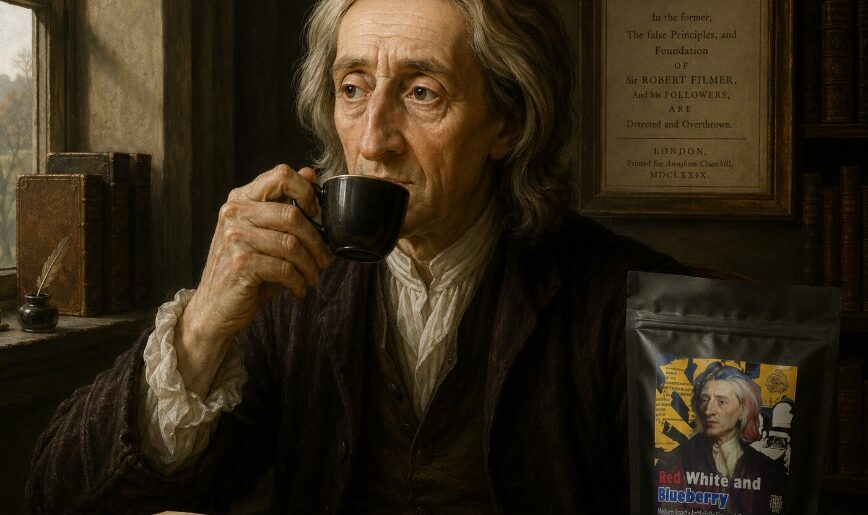
A man who spent his life studying the human mind and human liberty would have felt perfectly at home sitting in a coffeehouse surrounded by books, conversation, and a strong cup of coffee.
The Philosopher Who Rejected the “Blank Mind” of Tradition
John Locke was born on August 29, 1632, in the small village of Wrington in Somerset, England.
His father was a lawyer and military officer who fought on the Parliamentary side during the English Civil War, exposing the young Locke to debates over authority, power, and the rights of citizens.
Locke attended the prestigious Westminster School before continuing his studies at Christ Church, Oxford.
At Oxford, he studied:
- philosophy
- classical languages
- logic
- medicine
His medical training became a major influence on his approach to philosophy.
Like a scientist examining nature, Locke believed human understanding should be studied through observation and experience.
This became the foundation of empiricism.
The Mind as a Blank Slate
Perhaps Locke’s most famous idea was his belief that humans are not born with built-in knowledge.
Instead, he argued that the mind begins as a “tabula rasa”, or blank slate.
Experience writes the story.
Everything we learn comes through our senses, observations, reflection, and interactions with the world.
Think about the first time you tasted coffee.
You did not enter the world knowing:
- the bitterness of dark roast
- the sweetness of caramel notes
- the comfort of a warm morning cup
- the energy that follows caffeine
You discovered those things through experience.
Locke would probably smile at the idea.
For him, experience was the great teacher.
Coffeehouses and the Age of Ideas
During Locke’s lifetime, coffeehouses were exploding across England and Europe.
They became gathering places for:
- philosophers
- scientists
- merchants
- writers
- politicians
Some historians called them “penny universities” because for the price of a cup of coffee, a person could sit among some of the greatest minds of the age and participate in discussions about science, economics, politics, and philosophy.
The culture of conversation, questioning, and open debate perfectly matched Locke’s intellectual spirit.
A cup of coffee became more than a drink.
It became a ticket into the marketplace of ideas.
The Revolutionary Idea: Natural Rights
If Locke had only written about the human mind, he would still be remembered.
But he went further.
In his masterpiece Two Treatises of Government, Locke argued that all people possess natural rights simply because they are human.
Those rights include:
- life
- liberty
- property
Governments, he argued, do not create those rights.
Their purpose is to protect them.
If a government violates those rights and rules without the consent of the people, citizens have the right to replace it.
At the time, these ideas were revolutionary.
A century later, they would deeply influence the thinkers behind the American Revolution.
Thomas Jefferson’s famous phrase in the Declaration of Independence, “life, liberty, and the pursuit of happiness,” reflects the influence of Locke’s philosophy.
Knowledge, Tolerance, and Freedom
Locke’s curiosity extended beyond politics.
In his monumental work An Essay Concerning Human Understanding, he explored the nature and limits of human knowledge.
He asked:
How much can we truly know?
Where do our beliefs come from?
How should we separate truth from opinion?
His search for answers helped launch modern philosophy and influenced psychology centuries before psychology became a formal science.
Locke also became one of history’s strongest voices for religious tolerance.
In A Letter Concerning Toleration, he argued that government should not control individual conscience and that peaceful differences in religious belief should be allowed.
Exile, Revolution, and Return
Locke’s political ideas made him a controversial figure.
His association with the Whig movement and his connection to the Earl of Shaftesbury placed him under suspicion during the reign of King Charles II.
In 1683, following the Rye House Plot, Locke fled England and lived in exile in the Netherlands.
While there, he continued writing his great works.
He returned after the Glorious Revolution of 1688, which shifted England toward constitutional monarchy and strengthened the authority of Parliament.
By then, his ideas were beginning to reshape the Western world.
Why John Locke Still Matters
More than 300 years after his death, John Locke’s influence can still be found in:
- modern democracy
- constitutional government
- religious liberty
- education
- psychology
- scientific thinking
- individual rights
His greatest lesson may be the simplest:
Never stop questioning.
Never stop learning.
Never assume wisdom arrives without experience.
Every book opened.
Every conversation shared.
Every new idea explored.
Every cup of coffee enjoyed while thinking deeply.
Those are all part of the human journey that fascinated John Locke.
A Final Thought From the Coffee Cup
John Locke believed that knowledge begins with experience.
Coffee has always been a companion to experience.
It wakes us before the sunrise.
It fuels the writer facing a blank page.
It gathers friends around a table.
It starts conversations that can change a life—or perhaps even change the world.
Three hundred years after Locke, the search for knowledge continues.
Sometimes, it begins with a simple question.
And sometimes…
It begins with a cup of coffee. ☕
QUICK QUESTIONS: SCORE COFFEE DISCOUNTS.
Take a quiz now! Get shop discounts!
-
Product on sale
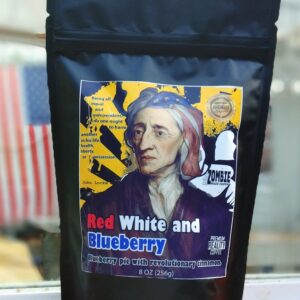 Red, White and Blueberry – Premium Blueberry Blend (8 oz.)Original price was: $13.99.$12.99Current price is: $12.99.
 -
Product on sale
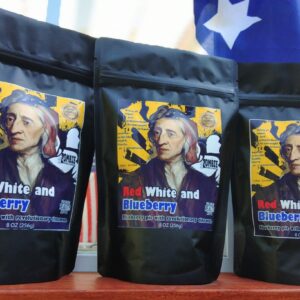 Red, White, and Blueberry Trio: Let Freedom and Flavor Ring! (3 pack of Blueberry 8 oz. each)Original price was: $38.99.$36.99Current price is: $36.99.
 -
Product on sale
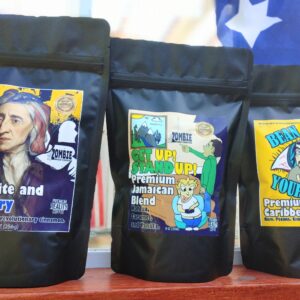 Independence Brew Trio: Savor the Freedom in Every Sip! (Blueberry, Jamaican, Caribbean) 8 oz.Original price was: $38.99.$36.99Current price is: $36.99.
 -
Product on sale
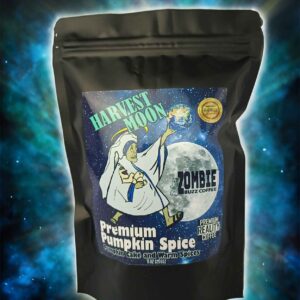 Harvest Moon – Premium Pumpkin Spice Blend (8 oz.)Original price was: $13.99.$12.99Current price is: $12.99.
 -
Product on sale
 Bean In Your Eye – Premium Caribbean Blend (8 oz.)Original price was: $13.99.$12.99Current price is: $12.99.