

 Written by
 Part of “Halloween Facts – Series

(TAKE QUIZ AT END TO SCORE LUMENS.)
Before they called it trick or treating, it was called Souling.
Souling, or the tradition of begging for soul cakes, is a custom with historical roots in the Christian observance of All Souls’ Day, which is celebrated on November 2nd. All Souls’ Day is part of the Triduum of Halloween , All Saints, and All Souls Day
This tradition was especially prevalent in parts of Europe, including England, during the medieval and early modern periods.
Here’s an overview of the practice of souling and the significance of soul cakes:
- Origin:
- Souling dates back to the late Middle Ages, possibly to the 14th century and later, in England.
- The practice was associated with the Christian observance of All Souls’ Day, a day dedicated to remembering and praying for the souls of the departed, particularly those in purgatory.
- Souling Process:
- On All Souls’ Day (or sometimes on All Hallows’ Eve, which is now Halloween), groups of poor individuals, often children, would go door-to-door to visit houses in their community. They were known as “soulers” or “souling singers.”
- These soulers would sing special soul-cake songs or prayers in exchange for a small pastry known as a “soul cake.”

By Malikhpur – Own work, CC BY-SA 4.0, https://commons.wikimedia.org/w/index.php?curid=74922099
- Soul Cakes:
- Soul cakes were small, round, spiced cakes made with ingredients like currants, spices, and sometimes saffron.
- The cakes were often marked with a cross to symbolize a soul’s release from purgatory when consumed.
- Spiritual Significance:
- The act of souling was a way for the less fortunate to request prayers for their deceased loved ones and to receive sustenance in the form of soul cakes.
- In exchange for the soul cakes, soulers would offer blessings or recite prayers for the souls of the living and the deceased.
- Decline and Evolution:
- Over time, the tradition of souling evolved into what we now recognize as modern-day trick-or-treating, which is associated with Halloween.
- As Halloween gained popularity, the spiritual and religious aspects of souling gradually faded, and the focus shifted to the more secular practice of dressing in costumes and collecting candy.
Today, souling is a historical custom that highlights the connection between All Souls’ Day and Halloween. While it has largely disappeared in its original form, the practice of children going door-to-door and receiving treats can be seen as a precursor to the modern Halloween tradition of trick-or-treating.
QUICK QUESTIONS: SCORE QUICK LUMENS BELOW…
-
Product on sale
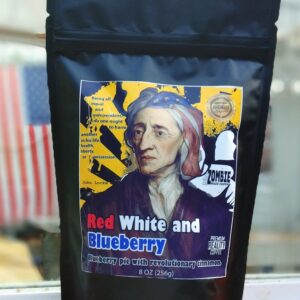 Red, White and Blueberry – Premium Blueberry Blend (8 oz.)Original price was: $13.99.$12.99Current price is: $12.99.
 -
Product on sale
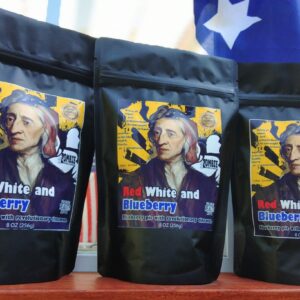 Red, White, and Blueberry Trio: Let Freedom and Flavor Ring! (3 pack of Blueberry 8 oz. each)Original price was: $38.99.$36.99Current price is: $36.99.
 -
Product on sale
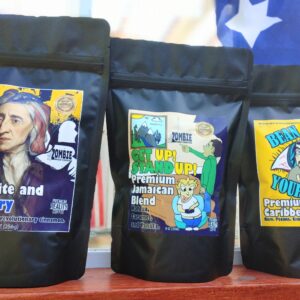 Independence Brew Trio: Savor the Freedom in Every Sip! (Blueberry, Jamaican, Caribbean) 8 oz.Original price was: $38.99.$36.99Current price is: $36.99.
 -
Product on sale
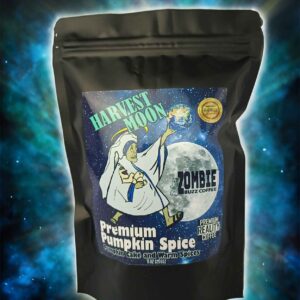 Harvest Moon – Premium Pumpkin Spice Blend (8 oz.)Original price was: $13.99.$12.99Current price is: $12.99.
 -
Product on sale
 Bean In Your Eye – Premium Caribbean Blend (8 oz.)Original price was: $13.99.$12.99Current price is: $12.99.